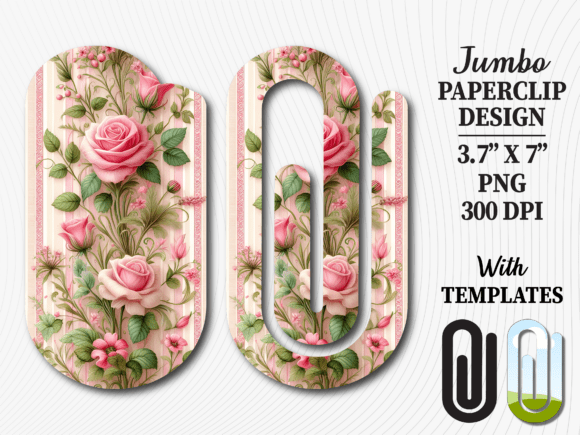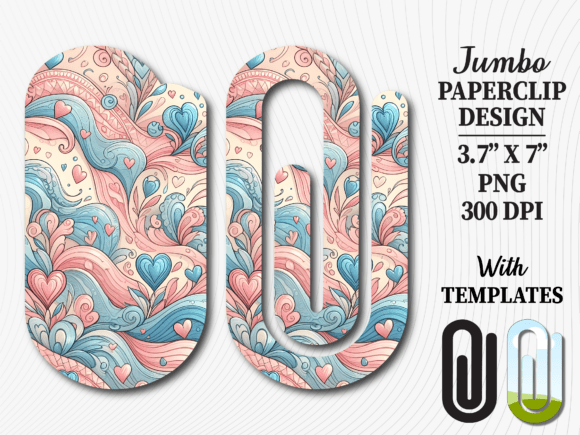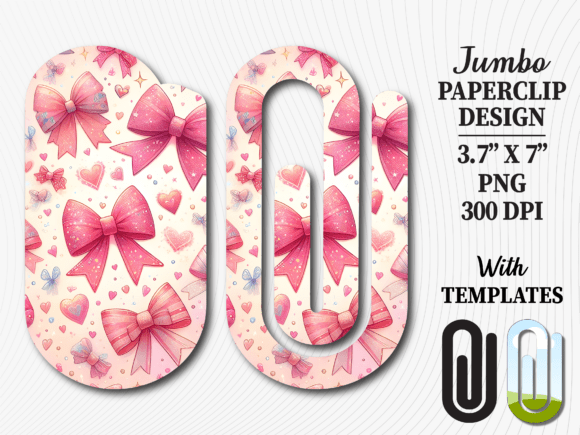
Pink Watercolor Coquette Jumbo Paperclip
First Impressions: A Playful, Soft-Spoken Statement
When I opened the Pink Watercolor Coquette Jumbo Paperclip file, I didn’t see just a graphic—I saw a mood. It’s light, airy, and quietly confident: watercolor washes in blush, rose, and soft mauve, shaped like a jumbo paperclip but softened at the edges with subtle texture and gentle gradients. There’s no harsh line work or rigid symmetry—just organic flow, a slight tilt to the curve, and that coquette charm: flirty but not flashy, feminine but never fussy. As an embroidery designer who spends hours judging how a design translates from screen to stitch, this one immediately made me think of a custom linen tea towel for a bridal shower—or a delicate embroidered patch on a baby girl’s organic cotton romper. It doesn’t shout. It invites.
Where It Shines: Real Projects, Real Customers
I tested the Pink Watercolor Coquette Jumbo Paperclip as part of a small-batch embroidered tote bag collection for a local boutique. We used it on natural canvas totes—medium-weight, lightly textured—and paired it with tonal pink thread (40wt polyester) and a lightweight tear-away stabilizer. The result? A finished product that felt handmade without looking amateurish. Customers responded to its quiet elegance: “It’s sweet but not babyish,” one told me. “Feels like something I’d gift a friend who loves stationery and soft aesthetics.”
That tells me this design fits best in niches where subtlety sells: nursery decor, wedding favors, boutique apparel, personalized kitchen linens, and minimalist sweatshirt embroidery for teens or young adults. As a machine embroidery design, it leans into watercolor’s forgiving nature—small imperfections in stitch alignment or thread tension don’t break the illusion. It also works well as an embroidered patch when stitched onto denim jackets or woven backpacks, especially when backed with heat-seal adhesive and trimmed cleanly.
For Etsy sellers and craft business owners, this is a smart digital asset. It’s versatile enough for printable mockups (think Instagram flat lays with marble trays and dried florals), yet distinct enough to stand out in a crowded “feminine embroidery” search. It reads as intentional—not generic clipart—and supports brand consistency when used across product lines: same motif on a pillow cover, a matching tea towel, and a holiday gift tag.
Where to Proceed Thoughtfully
This isn’t a one-size-fits-all embroidery file. Its watercolor softness means detail relies heavily on stitch density and thread contrast—not sharp outlines. So on dark fabric? You’ll need careful thread selection. I ran a test on navy cotton twill using light pink thread and found the edges slightly lost definition without a light underlay or a touch of white fill behind key areas. On stretchy fabric like jersey, the curves can blur unless you use cut-away stabilizer and reduce stitch speed.
Avoid using the Pink Watercolor Coquette Jumbo Paperclip on tiny hoops (under 3” diameter) or highly textured surfaces like bouclé or thick terry cloth—the subtle gradients won’t resolve cleanly. And while it’s lovely on baby embroidery projects, skip it for newborn onesies unless you’re stitching on a smooth Pima cotton with minimal fill. Tiny garments demand clarity; this design breathes best with space.
Also worth noting: because it’s rooted in watercolor aesthetics, it doesn’t translate well to dense satin stitch borders or heavy applique treatments. It’s not built for high-contrast lettering or layered embellishments. Keep it clean—let the color and shape do the work.
Design Judgment: Beyond Looks, Into Trust
What makes this more than just another digital embroidery file? It signals care. When customers see this on a handmade product, they read intentionality—not mass production. That builds trust, especially for personalized gifts or boutique merchandise. I’ve watched buyers linger longer on listings featuring soft watercolor motifs like this one. They associate the look with quality craftsmanship, even before reading the description.
But that perception only holds if execution matches intent. That means testing the Pink Watercolor Coquette Jumbo Paperclip on your exact fabric before cutting into inventory. Check how the fill stitch settles on your chosen base—does it puff or lie flat? Does the curve hold shape on curved surfaces like caps? Run a black-and-white mockup to confirm value contrast. Compare how it reads on light vs. dark backgrounds in your listing photos. These aren’t extra steps—they’re part of delivering what the design promises.
Practical Designer Notes Before You Stitch
- Always test first: Run the Pink Watercolor Coquette Jumbo Paperclip on scrap fabric identical to your final project—same weight, weave, and stretch.
- Stabilizer matters: Use lightweight tear-away for stable wovens; cut-away for knits or delicate fabrics.
- Thread colors are key: Avoid stark white or neon pinks unless intentionally contrasting. Soft tonal variations preserve the watercolor feel.
- Review stitch density: If your machine struggles with fine gradients, check whether the file includes optional low-density versions—or be prepared to adjust manually.
- Confirm licensing: Since this is listed as a Graphics product in the Crafts category, verify whether commercial use is permitted before selling finished embroidered items or bundling it into digital product kits.
- Hoop size & placement: Measure the design’s widest point—it’s designed for visibility, so give it breathing room. Don’t crowd it with text or other motifs unless you’ve tested spacing.
Final Thought: A Design That Earns Its Place
The Pink Watercolor Coquette Jumbo Paperclip isn’t flashy—but then, it’s not meant to be. It’s the kind of embroidery project element that elevates a simple item into something memorable: a kitchen towel that feels like a gift, a baby cap that whispers tenderness, a tote bag that starts conversations. Used thoughtfully—with attention to fabric, stabilizer, and context—it becomes more than decoration. It becomes part of the story your handmade product tells. And in today’s market, that’s worth every stitch.